
Speeding Up the Clock — Does Sleep Apnea Make You Age Faster?
Getting older is a privilege, but most people want to enjoy their years feeling youthful and energetic. Unfortunately, untreated sleep apnea can make you appear and feel older than you are! If you are curious about how sleep apnea could be speeding up your biological clock, this post will help you understand the connection and — hopefully — inspire you to take action.
Understanding Biological vs. Chronological Age
There are two different types of aging. Your chronological age is straightforward; it represents the number of years since your birth. However, biological age is a more nuanced concept, reflecting how well your body and cells function compared to your actual age. While chronological age is fixed, biological age can differ significantly based on lifestyle, genetics, and health conditions. Biological age is particularly relevant because it provides a clearer picture of your health and vitality. You may find that your biological age does not always align with your chronological age, especially if you are dealing with concerns like sleep apnea.
How Untreated Sleep Apnea Accelerates Aging
Sleep apnea is a disorder that interrupts your breathing during sleep, leading to frequent awakenings and decreased oxygen levels. When it is left untreated, sleep apnea can accelerate the aging process in several ways:
- Increased Inflammation: Chronic sleep deprivation triggers inflammation in your body, which is closely linked to premature aging.
- Impaired Cell Repair: Interrupted sleep disrupts your body’s natural repair mechanisms, making it harder for cells to recover from daily stress.
- Cognitive Decline: Poor sleep quality contributes to memory problems and reduced mental sharpness.
- Higher Risk of Chronic Disease: Untreated sleep apnea raises the risk for cardiovascular disease, diabetes, and weakened immune function.
- Hormonal Imbalance: Sleep is essential for balancing hormones like melatonin and human growth hormone. Ongoing sleep disruption leads to deficiencies that affect health and aging.
- Cellular Aging: Research indicates sleep apnea can shorten telomeres, the protective caps on your DNA. Shortened telomeres are a biological marker of aging.
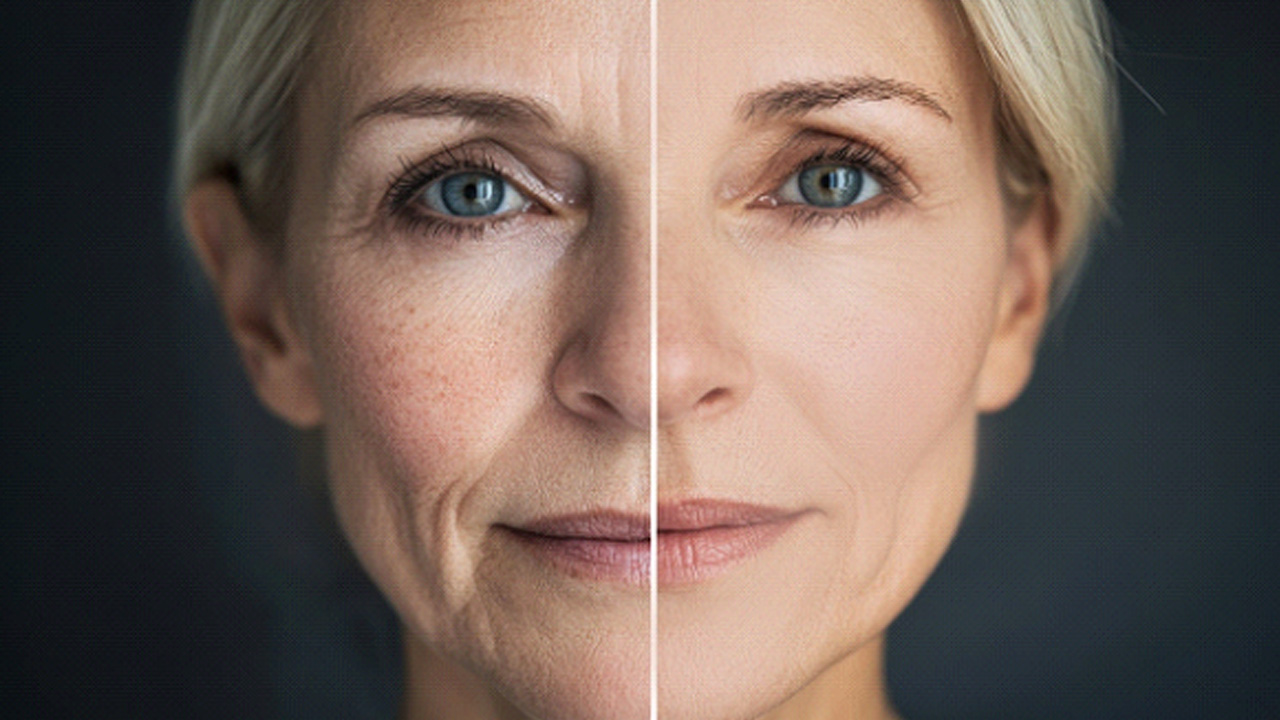
- Visible Aging: Poor sleep and low oxygen levels often result in under-eye bags, sagging skin, and a dull complexion.
Recognizing Sleep Apnea
Is sleep apnea negatively affecting your body’s aging process? With so many potential impacts, it is important to recognize the signs and symptoms of this condition. Common indicators include:
- Loud snoring that disrupts sleep
- Daytime exhaustion or difficulty staying awake
- Poor mental focus and trouble concentrating
- Observations from a partner that you sometimes stop breathing at night
If you notice any of these symptoms, it would be wise to see a qualified professional so you can get tested for sleep apnea.
Treatment Options: How Addressing Sleep Apnea Can Slow Aging
The prospect of sleep apnea accelerating aging might be discouraging, but there is hope! Timely treatment can slow down or even reverse some aspects of biological aging. Options may include:
- Oral Appliances: A custom device provided by a dentist supports healthy breathing during sleep, reducing interruptions and improving oxygen levels.
- CPAP Therapy: A continuous positive airway pressure (CPAP) machine can keep your airway open and promote restorative sleep. (Some patients find their CPAP difficult to tolerate, and oral appliance therapy is a wonderful alternative for such individuals.)
- Lifestyle Changes: Weight loss, stress management, and good sleep hygiene may help reduce sleep apnea severity in many cases.
Sleep apnea can make you age faster! However, with consistent treatment, you may notice improved alertness, better overall health, and greater feelings of youthfulness.
Meet the Practice
Dr. Dean Hutto has more than three decades of experience in dentistry, and he is an active member of the American Academy of Dental Sleep Medicine. He and our team are proud to offer custom oral appliance therapy for individuals with sleep apnea. To learn more about us or to set up a consultation, contact our office in Baytown at 281-422-8248.