Sleep Apnea Treatment Baytown

Dr. Hutto Can Help You Get a Good Night’s Sleep

Do you constantly feel exhausted during the day despite how much you sleep? Does your bed partner complain about your loud, chronic snoring, and you often find yourself having problems with your memory or focus while at work? Has your tiredness almost caused you to fall asleep behind the wheel?

If so, then you may be suffering from sleep apnea, the second most common sleep disorder in the entire world. Research estimates that about 20 million Americans deal with it every night, robbing them of their much-needed rest and health at the same time.

At Aesthetic Family Dentistry, we’re able to help patients overcome snoring and obstructive sleep apnea (OSA) using a small, custom-made dental device that is only worn to bed. Dr. Hutto has undergone an extensive amount of special training to provide this kind of care, and he has already helped countless patients using this method. To learn how we can help you reclaim the night and your quality of life with sleep apnea treatment in Baytown, read on below.

Woman smiling and stretching in bed after sleep apnea treatment in Baytown

Why Choose Aesthetic Family Dentistry for Sleep Apnea Treatment?

  • Customized Oral Appliances for Patients
  • Dentist with Decades of Proven Experience
  • Serving Baytown Residents for 40+ Years
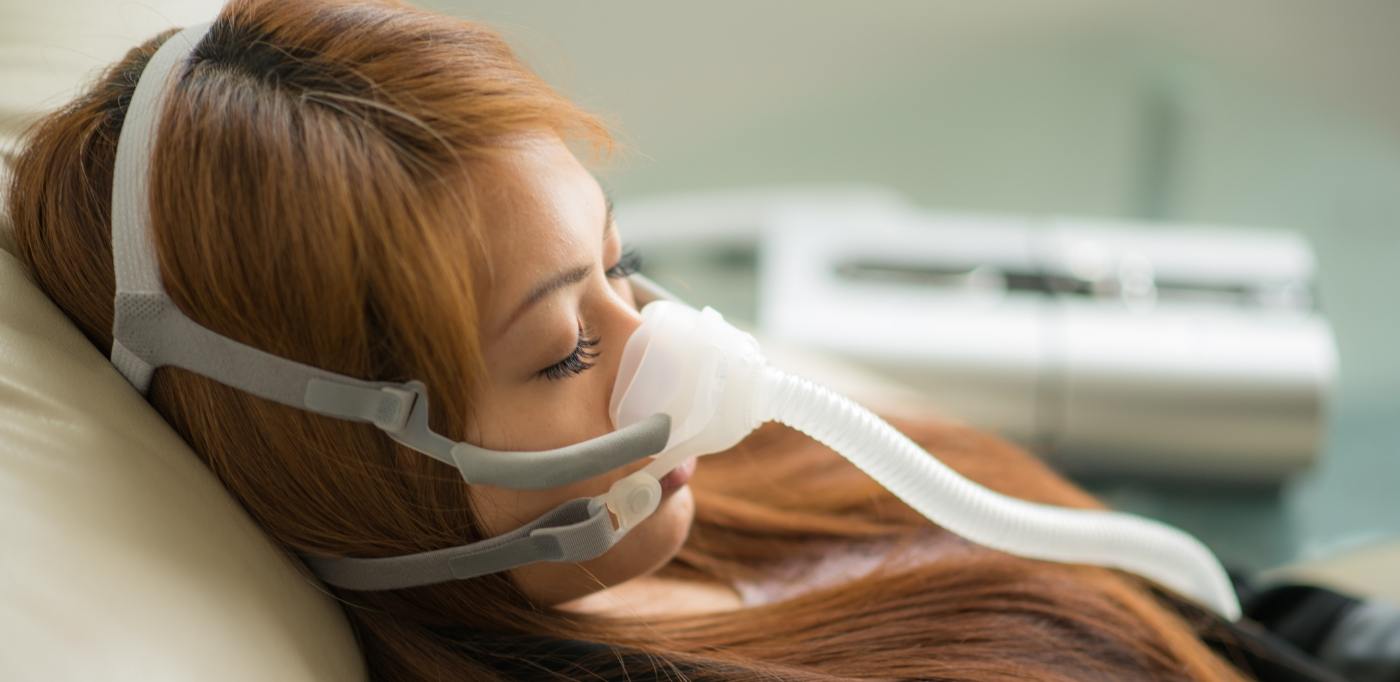
Woman sleeping while wearing a mask for a C P A P machine

What Is Obstructive Sleep Apnea?

Obstructive Sleep Apnea occurs more commonly in men than women and is caused when the airways collapse or become blocked, effectively stopping the ability to breathe. This happens at night when the individual is asleep, resulting in multiple instances of the individual being forced to wake up or partially wake up to restore normal breathing. Most patients don’t remember the pauses in breathing or rude awakenings in the morning, though.

The muscles of the tongue and throat naturally relax when we sleep, but for those with OSA, this relaxation causes the skin and muscle at the back of the throat to drop, restricting or blocking the air passage.

The signs of OSA are often difficult to identify if you sleep alone. The most common symptom is heavy snoring, often with periods of breath stoppage and then rapid breathing or a sensation of choking. Other symptoms can include a chronic dry mouth, difficulty in remaining awake during the day, memory and focus problems, headaches, and the possibility of restless sleep habits.

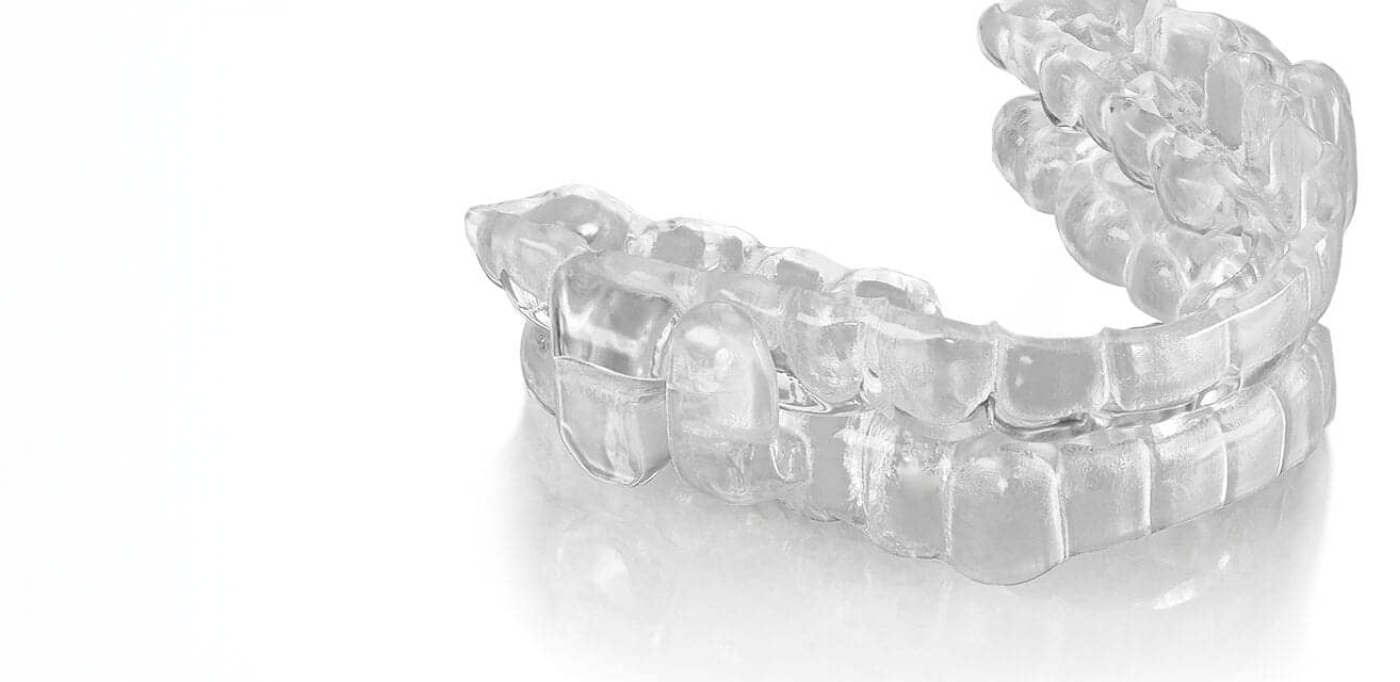
Clear oral appliance tray

How Dr. Hutto Can Treat Sleep Apnea

While some people may need specialized equipment such as CPAP (Continuous Positive Airway Pressure) to alleviate their sleep apnea, which includes a mask that is worn when sleeping that forces air through the nose and mouth to stop the collapse of the airway, others may benefit from the use of a very comfortable dental device known as a ProSomnus sleep appliance. This device helps you avoid the possible complications of a surgical procedure and is often much better tolerated by patients than the CPAP, which can be bulky and difficult to use.

Dr. Hutto will ask you a few simple questions and complete an examination to see if this lightweight mouthpiece may be the best option for your OSA. It can also be used to stop snoring comfortably and allow you to have a restful, deep, and continual night’s sleep.

Sleep Apnea FAQs

Does Everyone Who Snores Have Sleep Apnea?

The short answer is no. Snoring is one of the most common warning signs of sleep apnea, but the two don’t always occur together. To know for sure whether your snoring is related to sleep-disordered breathing, you will need to have a sleep study performed. It’s worth noting that there’s a good chance that your snoring is related to sleep apnea if: • It is loud enough to wake up other nearby sleepers. • It occurs on a nightly basis. • It is accompanied by pauses in your breathing, excessive sleepiness during the day, and other potential sleep apnea symptoms.

Will ProSomnus Make CPAP Treatment Unnecessary?

There are cases where it’s possible to switch from CPAP treatment to a ProSomnus sleep appliance as a solution for sleep apnea. Patients who find CPAP machines to be too noisy or uncomfortable can often benefit from quiet, fully customized sleep appliances. That said, the severity of your sleep disorder makes a difference. Sleep appliances tend to work best for mild to moderate cases of sleep apnea. Our team will be more than happy to work with you to figure out whether switching to a sleep appliance is a viable option.

How Should I Clean My Sleep Appliance?

You should make a point of cleaning your sleep appliance regularly to prevent the buildup of bacteria that could cause gum disease and various other dental problems. When you wake up in the morning, one of the first things you should do is take your sleep appliance out and give it a gentle brushing with a soft-bristled toothbrush. Once you’re done, be sure to rinse the appliance off before you store it in its protective case.

Will My Sleep Apnea Go Away If I Lose Weight?

It is often possible to improve sleep apnea symptoms by losing weight. Obesity can contribute to sleep-disordered breathing due to the increased presence of fat deposits in the neck that can collapse and cause an airway obstruction. Losing weight can reduce these fat deposits and help you maintain a clear airway. Bear in mind that you’ll need to have another sleep study performed in order to confirm whether losing weight has had an impact on the severity of your sleep apnea. It should also be noted that simply losing weight is no substitute for having your sleep disorder treated by a professional.

Is Sleep Apnea Diagnosis and Treatment Covered by Insurance?

Yes, but it’s important to be aware of the kind of insurance that’s used to cover it. Because sleep apnea is classified as a medical issue, treatments related to it are typically covered by medical insurance. This means that even if you go to your dentist for a sleep appliance, it will most likely be covered by your medical insurance rather than your dental insurance. Be sure to review your plan so that you fully understand what kinds of services are and are not covered.

More to Explore